The Wake Island Story Part II


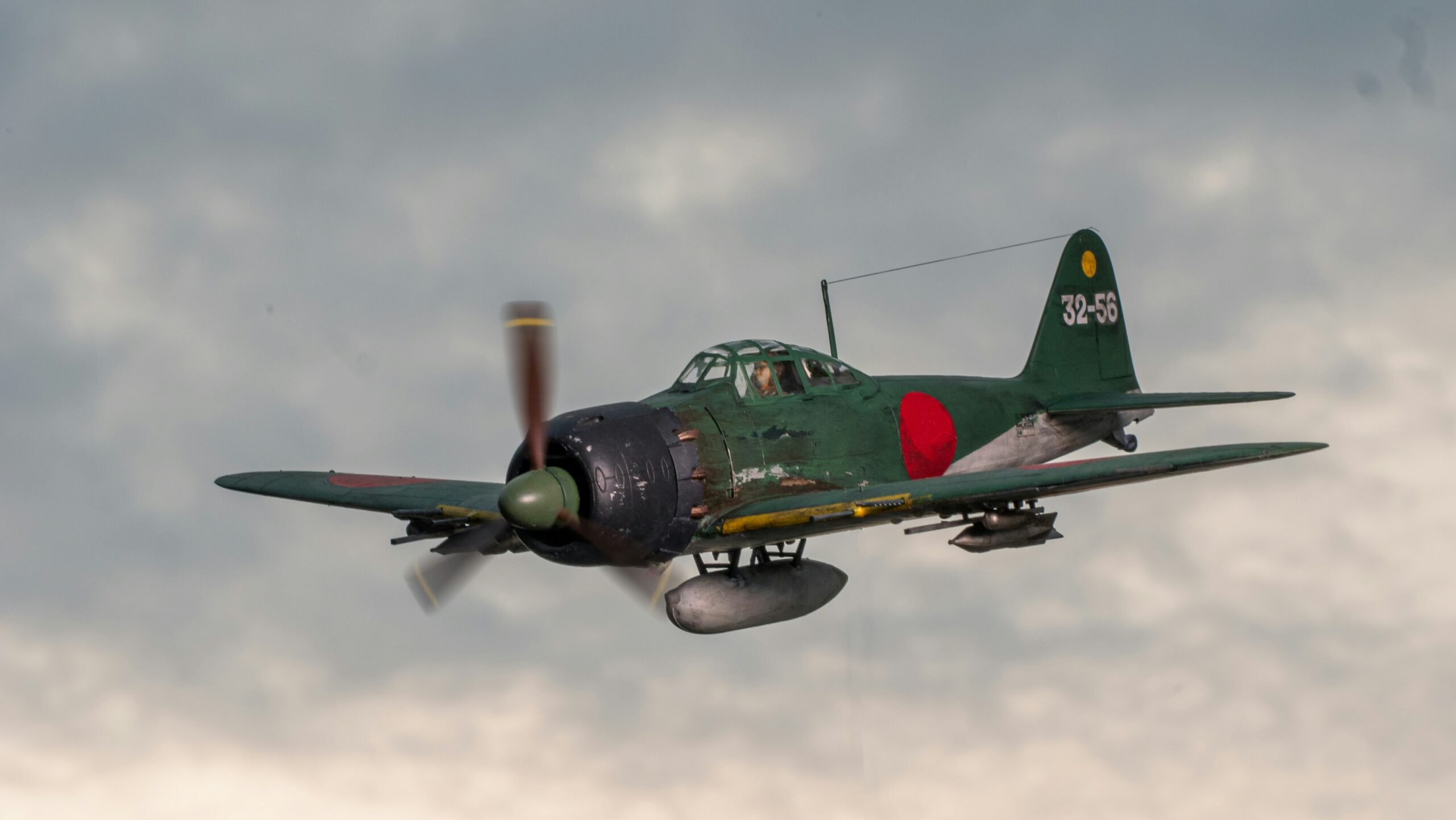
Photo by Matias Luge on Unsplash

Wives Cope With Husband’s Memories


(Part 2 of the Wake Island Story)


By Steve Pollock
The Duncan (OK) Banner)
Sunday, August 13, 1989


MARLOW — It all came back to them this weekend — fists lashing out during nightmares, the traumatic memories, the attempts to catch up on lost time.

The wives of 10 Wake Island survivors met in Marlow with their husbands this weekend for reasons of their own.

“We go through therapy every time we get together. We help each other with problems,” they said.

The wives: Florence Haidinger, Maxine Murphy, Opal Milburn, Irene McDaniels, Sarah Nowlin, Betty Cook, Millie Brown, Jo Williamson, Juanita Cooper and Marie Smith.


They did their own bit during World War II: The Red Cross, an airplane factory in Detroit, North American Aviation in El Segundo, Calif, Douglas in Los Angeles, the Kress dime store.

They married their men after the long national nightmare was finished, and their lives became entwined by one event: the Japanese attack on Wake Island Dec. 8-23,1941.

Since the first reunion of Wake survivors and their spouses in 1953, these women have been like sisters.

“We love each other, we’re closer than family,” Jo Williamson said.


In Marie Smith’s kitchen, therapy was doled out in a catharsis of talk little different from that of the men gathered on the patio. Talk is said to be good for the soul; these women heal great tears in theirs every time they see each other.

According to the wives, the men came home from the war, married, had children and tried to pick up where they left off.

They wanted to take care of their families and try to catch up. They were robbed of the fun times of their late teens and early 20’s, the women unanimously agree.

“They have also lived every day as if it were their last,” Sarah Nowlin said.


The men needed some help after their harrowing battle and brutal three -and-a-half-year captivity.

According to the women, doctors never realized therapy was in order: “They never got anything.”

One man lashed out with his fists during nightmares; after a few pops, his wife learned to leave the room. Another would slide out of bed and assume a rigid posture on the floor, arms and legs folded. Yet they have all been gentlemen.

“I’ve never seen my husband harm or even verbally abuse anyone,” a wife said Reunions such as this help the men and women deal with life as they age. The youths of 16-22 are now grandfathers and grandmothers in their 60’s and 70’s.


Life today is a bit baffling to them.

Extremely proud of their men, the women have no patience with draft dodgers, flag burners, Japanese cars or foreign ownership of America.

They didn’t agree with the Vietnam war policy, but duty to country should have come first, they said.

“I didn’t want my son to go to Vietnam, but I would have been ashamed of him if he hadn’t,” one said.

The issue of flag burning stirs violent protest and emotion in the group: “Made in America”‘ labels are on everything they buy.

And the younger generation does not enjoy the women’s confidence: “I don’t think they could do what we were all called on to do,” they agreed.


And as Marlow afternoon shadows grew longer, the women of Wake continued to cleanse their souls.

The wives of 10 Wake Island survivors met in Marlow with their husbands this weekend for reasons of their own.

“We go through therapy every time we get together. We help each other with problems,” they said.

Tomorrow Today Yesterday

Photo by Jr Korpa on Unsplash

Dreams, trials, memories

Hopes, fears, memories
Desires, defeats, memories
Isn’t yesterday anything but memories?
No, tomorrow is always a memory
     a scent a taste a touch

Why then is tomorrow nothing but dreams?
Why then is today always realizations?

God only knows, only He knows among everyone

Futile dreams, frustrating realities, bitter memories.

Is that ALL?

—Undated; probably 1978

Sticky Seats to Sherman

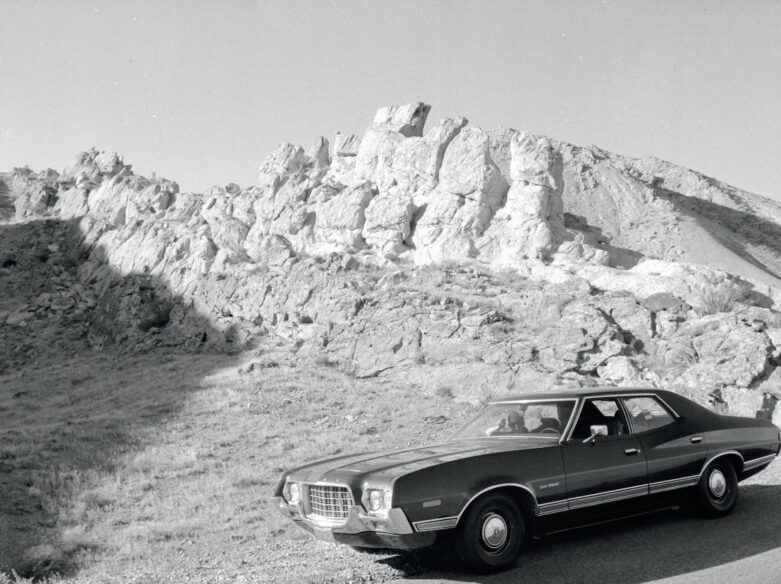
I used the road and some parallel ones once in 1975 to get from our house in Oklahoma to my aunt’s house in Sherman, TX. My cousins had been staying with us. Our grandparents, in their Ford Torino, took us to Sherman. We spent the night and came back to Duncan.

It was hot. Damn hot. There was no air conditioning. Our granddad would trade cars at the drop of a hat. But a/c was often not part of the deal. Whether in hot and humid Oklahoma or in hot and dry Roswell, there often was no a/c in any of the many cars he traded for.

My cousins, Jeff (my age, around 12) and Jamie (around 6) kept the windows open and sweated. My grandparents fussed at each other. She would ask a question, he would snap an answer, a short, sharp bark, almost like a command. His responses to her would often get like that. Either minor irritation or outright hostility, like in that baking car 100 miles along 70 East and down to Sherman. We arrived damp and 10 pounds lighter. The cousins were glad to get to their own rooms.

I slept in Jeff’s room. Jamie bugged us as usual. Jeff and I sometimes fought. Sometimes, as a little brother myself, I would side in solidarity with Jamie in his interminable war with big brother.

The seats were sticky. We wore shorts. T-shirts. Tennis shoes. I think we had comic books. My uncle was a manager of a Wacker’s five and dime (Texas/NM/CO/OK version of Woolworth). My aunt, my mother’s youngest sister, did many things. There was fun, but mainly heat and humidity.

Having just moved to the very humid land of the Cross Timbers from the very dry atmosphere of the High Mountain Desert lands of New Mexico, the mid-70s were a damp, dripping, mildewing, moldy, miserable, mess. We went to school in stiff new clothes to classrooms that didn’t have air conditioners. Just like my grandfather’s Ford Torino.

Once along the way, there might be a stop for a coke and a restroom break, but if there was, I don’t remember it. Maybe when we went south from 70 at Ardmore to Gainesville, TX, just across the Red River border, where we switched to US 82 to Sherman. Maybe.

I remember 70s chemical-smelling seats in the back, Jeff leaning out one window, me out the other, Jamie slumping over us in the middle.

140 miles. About two hours and 15 minutes. Roasting, baking, basting in our own juices. Granddad, you couldn’t find a car among the stock at Valley Chevrolet that was a used Ford with a/c? You love to haggle, why’d it have to be about white walls than climate control?

I tried my technique of kneeling in the floorboard and lying facedown on the seat. God knows the fumes I was breathing from that sticky plastic coating. We slept fitfully, started scraps of our own. I listened to the brothers and silently thanked an ostensibly higher power that I was a little brother by five and seven years to teen sisters with no little brother to fight with myself. Jeff and Jamie on Mom’s side of the family and Jeff and Mike on Dad’s warred constantly. Bruises were given to each other often.

Older and bigger, Jeff and I would bike away through the cemetery by their house leaving Jamie alone among the tombstones, panicking. I tried not to be too much of a snot, but then I was a bit of a snot as a little brother, so sometimes it was just fun.

One year, Granddad had surgery. Aunt Pat came to Duncan, picked up Mom and scooted back to 70 West to Roswell. For some reason lost in time, Jeff got to go. I had to stay with Jamie. He loved my dad, his Uncle Marion, just like every other kid. And Dad paid him plenty of attention, for reasons that would later become apparent. Then I found the sting of jealousy. I was a loner kid, happiest alone, but hey, I’m YOUR kid, Dad, he’s NOT. It reinforced my gratitude for not having a little brother. We fought some, made up. It was a long week. He had fun. Parts I enjoyed, parts were filled with injustice and indignation.

The surgery successfully passed, the sisters came home. Jeff got to go to the hospital and be the center of attention. Jamie left, I went back to lonerism. Reading a book. Being left alone. That was my shtick. There wasn’t room for cousins or constant play or parents. Me, a book, maybe a little hike in the backwoods pretending to be an army or marching band, waving a flag.

It might sound like I hated my cousins. Au contraire! I loved them and enjoyed getting together (and still would), but sometimes, when you’re a kid, you fight and love and hug and roll in the dirt and get in trouble and tease and troll the younger ones, get dismissed by the older ones. But all my cousins are well-beloved still.

But always, for whatever family reasons, there were sticky trips, with beloved cousins sweating as much or more than you, where the tarmac of US 70 West seemed to be taffy. Soft, gooey, surely sticking to the tires. The smell of asphalt in the summer of West Texas is an enduring memory. It’s used in Six Flags Over Texas and it bakes there too, creating a smell that is unforgettable.

Just as unforgettable as my grandparents’ plastic seats in their Ford Torino, running down the road, a torturous journey shared with my favorite cousins.